
Marshall Rosenberg, a psychologist and the founder of Nonviolent Communication, devoted his life to helping people in some of the world’s most divided places—inner-city schools, prisons, war zones, and communities fractured by generational conflict. His core insight was simple but profound:
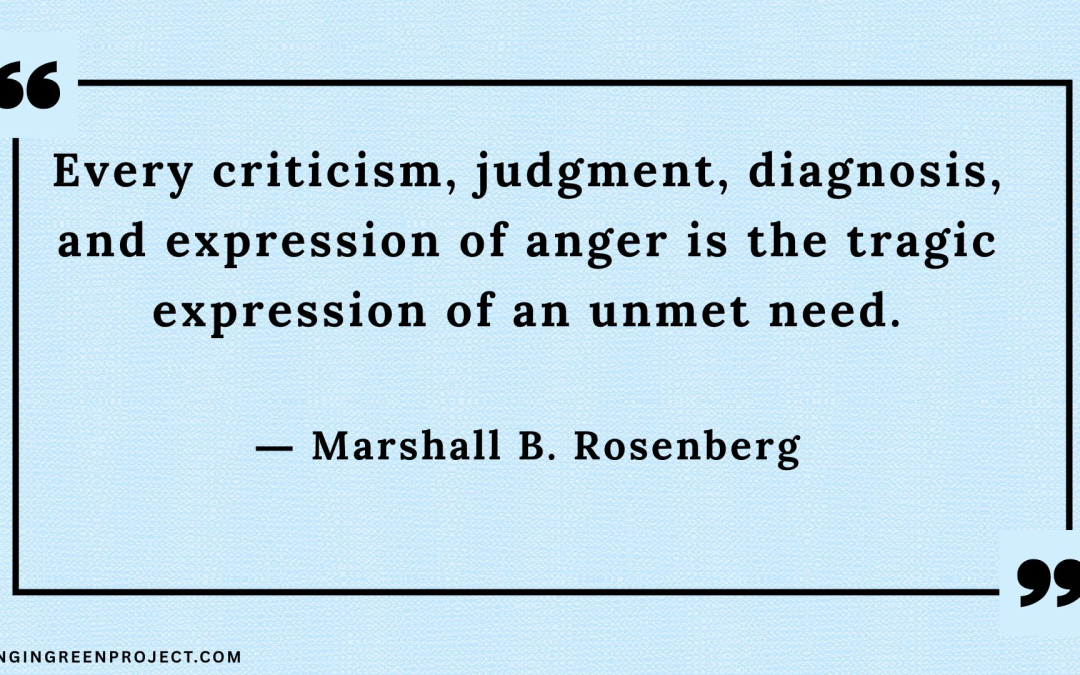
“Every criticism, judgment, diagnosis, and expression of anger is the tragic expression of an unmet need.”
Why This Matters Now
That idea feels especially urgent in America today. Our public life is filled with shouting, labeling, and blame. Political violence and divisive rhetoric dominate the headlines. Online, every disagreement seems to spiral into personal attacks.
But beneath the anger lies something deeply human—an unmet need.
- A call for safety
- A longing for dignity
- A hunger for belonging
- A demand for fairness
When those needs aren’t recognized, they surface as hostility. And the more invisible the need feels, the louder and harsher the criticism becomes.
Listening for the Need Beneath the Words
If we could learn to listen beneath the words—to ask, What need is this person trying to express?—we might see the humanity in one another again.
This doesn’t mean we excuse harmful behavior or that we all have to agree. But it does mean remembering that we all carry the same fragile needs inside of us.
In a time when polarization is pulling people apart, perhaps the greatest act of courage is to slow down, look past the attack, and listen for the need. Because while our opinions may differ, our needs are universal. Meeting them—together—may be the only way forward.
A Reflection for Readers
The next time you hear a harsh criticism—whether in politics, online, or even in your own home—pause and ask yourself:
What unmet need might be hiding underneath?
That question may not change the conflict overnight, but it can change the way you show up. And sometimes, that’s the very beginning of healing.